Summary / What You’ll Learn
Who this article is for: Homeowners in Southeast Texas who want to spot fire ant mounds early, understand the risks, and know when to call in professional help.
Key takeaways:
- Fire ant mounds can appear overnight and spread fast in warm, humid climates like Southeast Texas.
- Not all DIY treatments eliminate the queen — without killing the queen, the colony rebuilds.
- Fire ant stings cause real health risks, especially for children and people with allergies.
- Professional fire ant mound treatment targets the whole colony, not just the surface.
- Baywood Exterminating has served Southeast Texas homeowners since 1947.
What’s inside:
- How to identify fire ant mounds in your yard
- Why fire ants in the backyard are more dangerous than most people think
- What actually works for fire ant mound treatment
- When DIY stops being enough
- How to get professional fire ant removal near you
You walked outside one morning and there it was. A mound of loose, sandy dirt that was not there yesterday. Or maybe you already know exactly what it is because you stepped in one barefoot years ago and still remember it.
Fire ant mounds are one of those backyard problems that can go from minor inconvenience to genuine hazard faster than most homeowners expect. In Southeast Texas, the warm and humid climate creates near-perfect conditions for fire ants to thrive. They build fast, they spread fast, and a single fire ant mound that gets disturbed can send hundreds of aggressive ants swarming up your leg in seconds.
This post covers how to identify fire ant mounds, why they pose real risks for families and pets, and what fire ant mound treatment options actually work — including when it is time to stop guessing and call a professional.
What a Fire Ant Mound Actually Looks Like
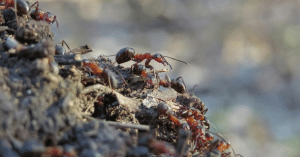
Fire ant mounds do not have a hole at the top. That is the first thing that trips people up. Unlike other ant species that build a visible entry point, fire ants enter and exit from underground tunnels that can extend several feet from the mound itself.
What you will see is a loose, fluffy dome of soil. Usually it looks like someone poured dirt from a bucket and left it there. The mounds tend to appear in open, sunny areas like lawns, gardens, and along fence lines. They tend to avoid shaded spots and dense vegetation.
Size varies a lot. A new mound might only be a few inches across. A mature colony can produce a mound that is a foot or more tall and 18 inches wide. In wet conditions right after rain, mounds often pop up overnight because the ants are pushing up soil that got waterlogged below.
If you are not sure what you are looking at, disturb the edge slightly with a stick. If fire ants are present, you will know within seconds — they boil up fast and they are not subtle about it.
Why Fire Ants in the Backyard Are a Real Safety Concern
Fire ants are not just a nuisance. They sting repeatedly, and each sting delivers venom that causes a burning sensation (which is exactly where the name comes from). For most healthy adults, a handful of stings means pain and a few days of itchy white pustules.
For kids, elderly family members, or anyone with an allergy to insect venom, fire ant stings can become a medical emergency. Anaphylactic reactions to fire ant venom happen, and they require immediate treatment. The Texas Department of State Health Services has reported fire ant sting deaths in the state, mostly in elderly adults who could not move away from an active mound quickly enough.
Beyond stings, fire ants will damage garden beds, short out outdoor electrical equipment by nesting inside junction boxes, and create mounds near walkways that become tripping hazards. If you have young children playing in the yard or pets that roam outside, fire ants are not something to put off dealing with.
Southeast Texas specifically sits in the heart of fire ant territory. The red imported fire ant (Solenopsis invicta) arrived in the Gulf Coast region decades ago and has no serious natural predators in Texas to keep it in check. That is why fire ant management here is an ongoing task, not a one-time fix.
Fire Ant Mound Treatment: What Works and What Does Not
There is a lot of conflicting advice out there on fire ant mound treatment. Some of it helps. A lot of it wastes your time and money. Here is a straight breakdown.
Broadcast Bait Treatments
Broadcast bait is one of the most effective tools available to homeowners. You scatter fire ant bait granules across your yard (not just on the mound), and foraging workers carry it back to the colony and feed it to the queen. No queen, no colony. This method takes 1-2 weeks to work, but when applied correctly it can eliminate a colony from the inside out.
The catch: bait needs to be fresh, applied when ants are actively foraging (not during extreme heat or after rain), and reapplied as part of a maintenance program. A single application is rarely enough to prevent new colonies from moving in.
Individual Mound Treatments
Liquid insecticides and mound drench products work well for spot treating visible mounds. You pour a large volume of diluted insecticide directly into and around the mound to penetrate the tunnel network below. When done right, this kills the workers and, ideally, reaches the queen.
The problem is that if the queen has moved to a satellite chamber deeper in the soil — which she often does when she senses a disturbance — the treatment misses her entirely. Workers die, the mound goes quiet, and you think the problem is solved. A few weeks later, a new mound appears five feet away.
What Does Not Work
Pouring boiling water into a mound sounds satisfying but rarely reaches deep enough to kill the queen and creates a burn risk for the person doing it. The same goes for gasoline or other flammable liquids — dangerous, illegal in most contexts, and largely ineffective.
Physical disruption without chemical treatment just relocates the problem. If you scatter a mound, the colony splits and rebuilds, often in multiple new locations.
When to Call for Professional Fire Ant Removal
DIY fire ant treatment can work for isolated mounds when caught early. But there are situations where calling a professional pest control company is the smarter call.
- You have multiple mounds across the yard and new ones keep appearing after you treat.
- Fire ant mounds are appearing near the house, HVAC equipment, or outdoor electrical boxes.
- Someone in your household has a known allergy to insect stings.
- You have young children or pets that use the yard regularly.
- You have treated the same area multiple times without lasting results.
Professional fire ant removal near Southeast Texas homeowners typically involves a combination of targeted mound treatments and broadcast baiting across the property, along with follow-up to make sure the colonies do not rebound. The goal is not just knocking down what is visible — it is protecting the whole yard from recolonization.
Baywood Exterminating has been handling fire ant management for homeowners across Crosby, Huffman, Highlands, Atascocita, and Kingwood since 1947. Our Fire Ant Management service is designed to treat active colonies and help prevent new ones from establishing. If fire ants are taking over your backyard, it is worth having a professional assess the situation.
Fire Ant Prevention Tips That Actually Help
You cannot completely eliminate fire ants from Southeast Texas — they are too established in the region for that. What you can do is make your yard a harder target and stay ahead of new colonies before they grow large enough to become a real problem.
- Walk your yard weekly during spring and summer and look for new mounds while they are still small.
- Keep grass mowed short and edges trimmed — fire ants prefer open, sunny ground, but tall grass makes early mounds harder to spot.
- Treat mounds while they are fresh. A young colony is easier to eliminate than one that has been established for months.
- Apply broadcast bait twice a year — once in spring and once in early fall — as a preventive measure across the full yard.
- Seal gaps around exterior electrical boxes and outdoor equipment where ants might try to nest.
Staying consistent is the key. A single treatment will not keep fire ants gone permanently, but a regular maintenance approach keeps the population manageable.
Tired of Fire Ants Winning?
If fire ant mounds keep coming back no matter what you try, it’s time to get a professional involved. Baywood Exterminating has been protecting Southeast Texas homes for over 75 years. We know fire ants, we know this area, and we know how to get results that last.
Call us at 281-328-3665 or visit baywoodexterminating.com/fire-ant-management to schedule your fire ant treatment today.
Frequently Asked Questions About Fire Ant Mound Treatment
- How do I know if a mound is a fire ant mound?
Fire ant mounds look like a loose, dome-shaped pile of soft soil with no visible entry hole at the top. They are common in open, sunny areas like lawns and garden beds. The best test is a gentle poke with a stick — fire ants respond immediately and aggressively, flooding out of the mound within seconds.
- Will fire ants go away on their own?
Not reliably. Fire ant colonies are highly adaptive and will relocate if disturbed, but they do not abandon an area on their own. Without treatment, a single colony can expand and produce multiple satellite mounds across a yard within a season.
- Is fire ant mound treatment safe for kids and pets?
Most commercial fire ant treatments — both DIY and professional — are safe for children and pets once they have dried or settled. Always follow label instructions. Professional pest control companies like Baywood Exterminating use EPA-registered products applied according to safety guidelines.
- How long does professional fire ant removal last?
A professional treatment can keep a yard fire ant-free for a season, but most pest control experts recommend twice-yearly maintenance treatments given how aggressively fire ants recolonize in Southeast Texas. Baywood Exterminating can help you set up a schedule that makes sense for your property.
- What is the fastest way to treat a fire ant mound?
For immediate results, a mound drench with a liquid insecticide can kill a visible colony quickly. For longer-term control, combining a mound treatment with broadcast bait across the yard delivers better results. A professional can assess which approach makes sense for your situation.
- Can fire ants damage my home?
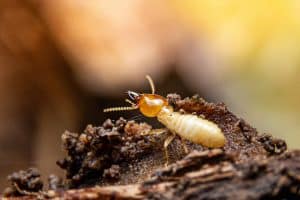
Fire ants do not eat wood the way termites do, but they can cause problems in and around the home. They are known to nest inside outdoor electrical boxes and HVAC equipment, which can cause short circuits and equipment damage. They can also enter homes through small cracks, especially in dry or hot conditions.
- Are fire ant stings dangerous?
For most people, fire ant stings cause pain, a burning sensation, and small pustules that develop over 24-48 hours. For people with allergies to insect venom, stings can trigger anaphylaxis, which is a medical emergency. If you have a known allergy, do not attempt to treat fire ant mounds yourself — call a professional.
- Does Baywood Exterminating handle fire ants?
Yes. Baywood Exterminating offers dedicated Fire Ant Management services for homes throughout Southeast Texas, including Crosby, Huffman, Highlands, Atascocita, and Kingwood. You can learn more or schedule a service at baywoodexterminating.com/fire-ant-management.
- How do fire ants spread from yard to yard?
Fire ant queens can fly to establish new colonies, and queen-containing soil can be transported accidentally through landscaping materials or equipment. This is one reason neighborhoods can see a spread of fire ant mounds even when individual homeowners treat their own yards.
- What is the best time of year to treat fire ant mounds?
Spring and fall are the most effective times for fire ant mound treatment in Southeast Texas. In spring, colonies are actively foraging and highly susceptible to bait. In fall, colonies are building food stores for the cooler months, making them more likely to pick up bait and carry it back to the queen. Treatment in summer can still work but may be less efficient during extreme heat when ants forage less during daytime.