Pest control in Southeast Texas is not seasonal. The combination of subtropical heat, high humidity, year-round rainfall, and proximity to the Gulf Coast creates conditions that support pest populations every month of the year, not just summer. Cockroaches, ants, mosquitoes, termites, and rodents do not take a winter break in this climate.
That means prevention is not something you do once and check off the list. It is ongoing. The good news is that a few consistent habits and physical changes to a home can significantly reduce what gets inside, and when combined with professional perimeter treatment, most homeowners can keep pest pressure at manageable levels year-round.
The Pest Landscape in Southeast Texas
The region deals with a wide range of pest species, but these are the ones Baywood Exterminating encounters most commonly in residential properties:
- American cockroaches (Palmetto bugs) — large, reddish-brown roaches that enter through gaps, drains, and weep holes; thrive in warm, humid conditions
- German cockroaches — smaller, tan roaches that establish indoors and require more intensive treatment than outdoor species
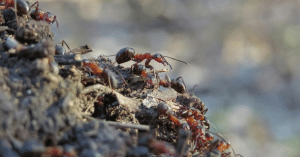
- Fire ants — ubiquitous throughout Southeast Texas; colonies can appear in lawns, garden beds, and around foundations with little warning
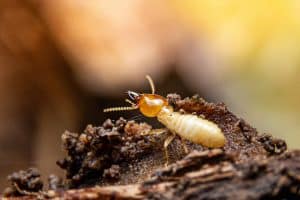
- Subterranean termites — Southeast Texas is in one of the highest termite pressure zones in the U.S.; warm, moist soil supports large, active colonies
- Mosquitoes — standing water issues in this climate create near-constant breeding pressure
- Rats and mice — roof rats are common in Southeast Texas; they enter through gaps at rooflines, around utility penetrations, and through damaged soffits
Exclusion: Keeping Pests Out
Exclusion is the most cost-effective pest prevention strategy. It means physically closing the entry points pests use to get inside.
- Seal gaps around utility penetrations. Where pipes, electrical conduit, and cable lines enter your home, there are often gaps. Pests, particularly cockroaches and mice, use these as highways. Seal them with appropriate caulk or copper mesh.
- Check and repair door sweeps and window screens. A gap under an exterior door is a significant entry point. Door sweeps that do not make full contact with the threshold need to be replaced.
- Address weep holes. Brick homes have weep holes at the base of the brick layer for moisture drainage. These are common entry points for American cockroaches. Weep hole covers that allow moisture drainage but block pest entry are available at most hardware stores.
- Check the roofline. Roof rats enter through damaged or missing soffits, gaps at gable vents, and where roof meets fascia. An annual inspection of the roofline for entry points is worthwhile in this region.
Sanitation: Removing What Attracts Pests
Pests go where resources are. Remove the resources and you reduce the draw.
- Eliminate standing water. Gutters that hold water, saucers under potted plants, low spots in the yard, and anything that collects rainwater, all of these support mosquito breeding and attract other pests that prefer moist environments.
- Store food in sealed containers. Cardboard packaging is not pest-proof. Pet food left in open bags overnight is an invitation. Transfer food to airtight containers.
- Take trash out regularly and keep bins sealed. Garbage is an attractant for cockroaches, rodents, and flies. In Southeast Texas heat, kitchen trash generates odors that attract pests quickly.
- Reduce outdoor clutter and woodpiles near the foundation. Stacked firewood, debris piles, and overgrown vegetation near the foundation create harborage. Keep the perimeter of the home clear.
When to Call Baywood Exterminating
DIY pest prevention steps reduce pressure but do not eliminate it in this climate. Professional perimeter treatment, applied to the exterior foundation, entry points, and yard perimeter, creates a chemical barrier that addresses what exclusion and sanitation cannot fully prevent.
Baywood Exterminating serves Southeast Texas with residential pest control services designed for this specific environment. If you are dealing with an active infestation, or if you want to get a prevention program in place before pest pressure escalates, contact Baywood to discuss your options.
Schedule Pest Control with Baywood Exterminating
Frequently Asked Questions About Pest Prevention in Southeast Texas
1. Is year-round pest control really necessary in Southeast Texas?
For most homeowners in this region, yes. The climate supports pest activity every month of the year. Annual or once-per-season treatment that is appropriate for colder climates is typically not sufficient here. Quarterly or bi-monthly perimeter service is more effective.
2. What is the best way to prevent cockroaches in Southeast Texas?
A combination of exclusion (sealing entry points, particularly weep holes and utility penetrations), sanitation (eliminating food and moisture sources), and professional perimeter treatment. German cockroaches that are already established indoors require targeted baiting and treatment — they cannot be managed by exterior treatment alone.
3. How do I know if I have termites?
Common signs include mud tubes along foundation walls, swarmers emerging in spring (often near windows or light sources), hollow-sounding wood, and blistering or bubbling paint on wood surfaces. Annual professional termite inspections are recommended for Southeast Texas homeowners.
4. Are fire ants dangerous?
Fire ants deliver a painful sting and can swarm quickly when their mound is disturbed. For most people this causes localized pain and swelling. For individuals with ant venom allergies, a fire ant encounter can be medically serious. Keep children and pets away from mounds and call for treatment when mounds appear near structures or high-traffic areas.
5. Does Baywood Exterminating handle both indoor and outdoor pest problems?
Yes. Baywood Exterminating addresses both exterior perimeter treatment and interior infestations. Contact baywoodexterminating.com to discuss your specific situation.